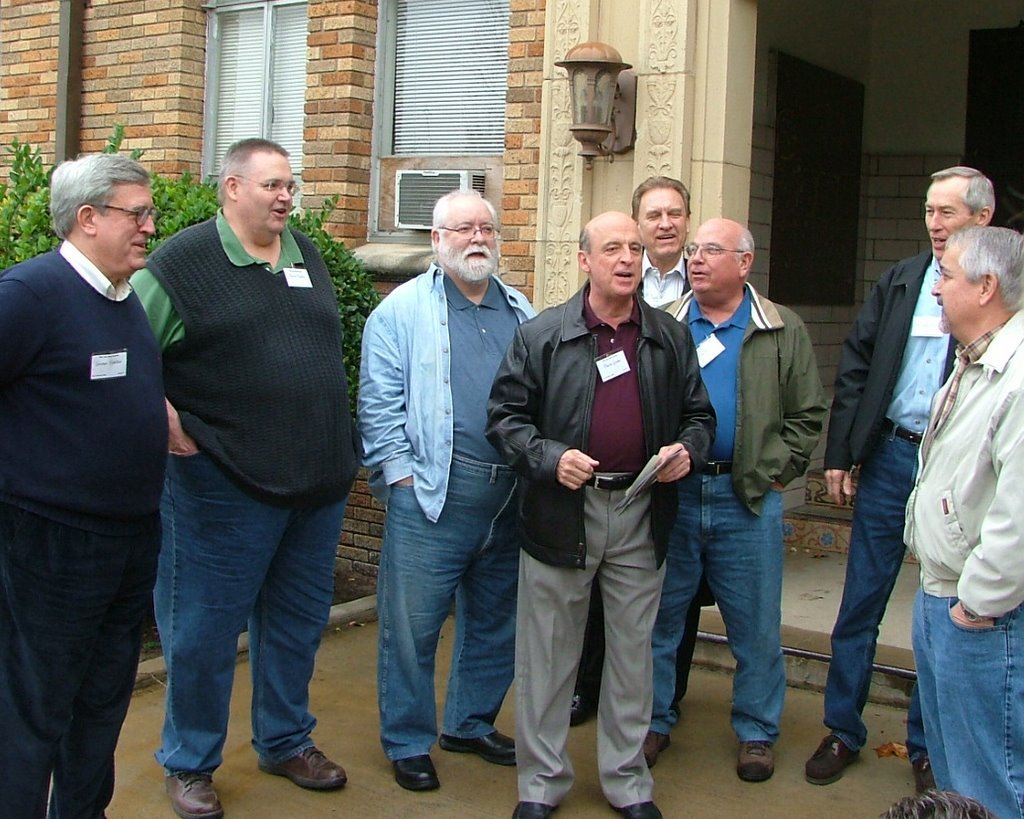
February 21, 2016 · David Goeke
My Journey Through Crossing Jordan
This is a special guest blog post from my good friend, David Goeke, who recounts some of his memories from our collaborative work on the history documentary, Crossing Jordan, produced for Concordia University Texas in 2009. Dave passed away in May 2026. He is greatly missed. - Tim Ristow
• • •
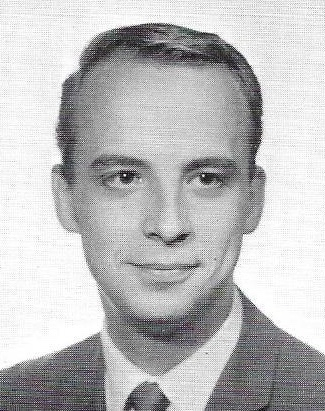
Initially, it involved six years of my life.
Beyond that it involved a legacy left to me and one passed on by me. I'm referring to the impact that Lutheran Concordia College (now Concordia University Texas) had on my life.
My dad, Albert Goeke, was in the third graduating class (Class of 1932) of Lutheran Concordia College, having entered as a sophomore in 1930. He was a proud alumnus of the school and I often heard him speak with fondness of Concordia as I was growing up. My connection with Concordia, however, went beyond just my dad.
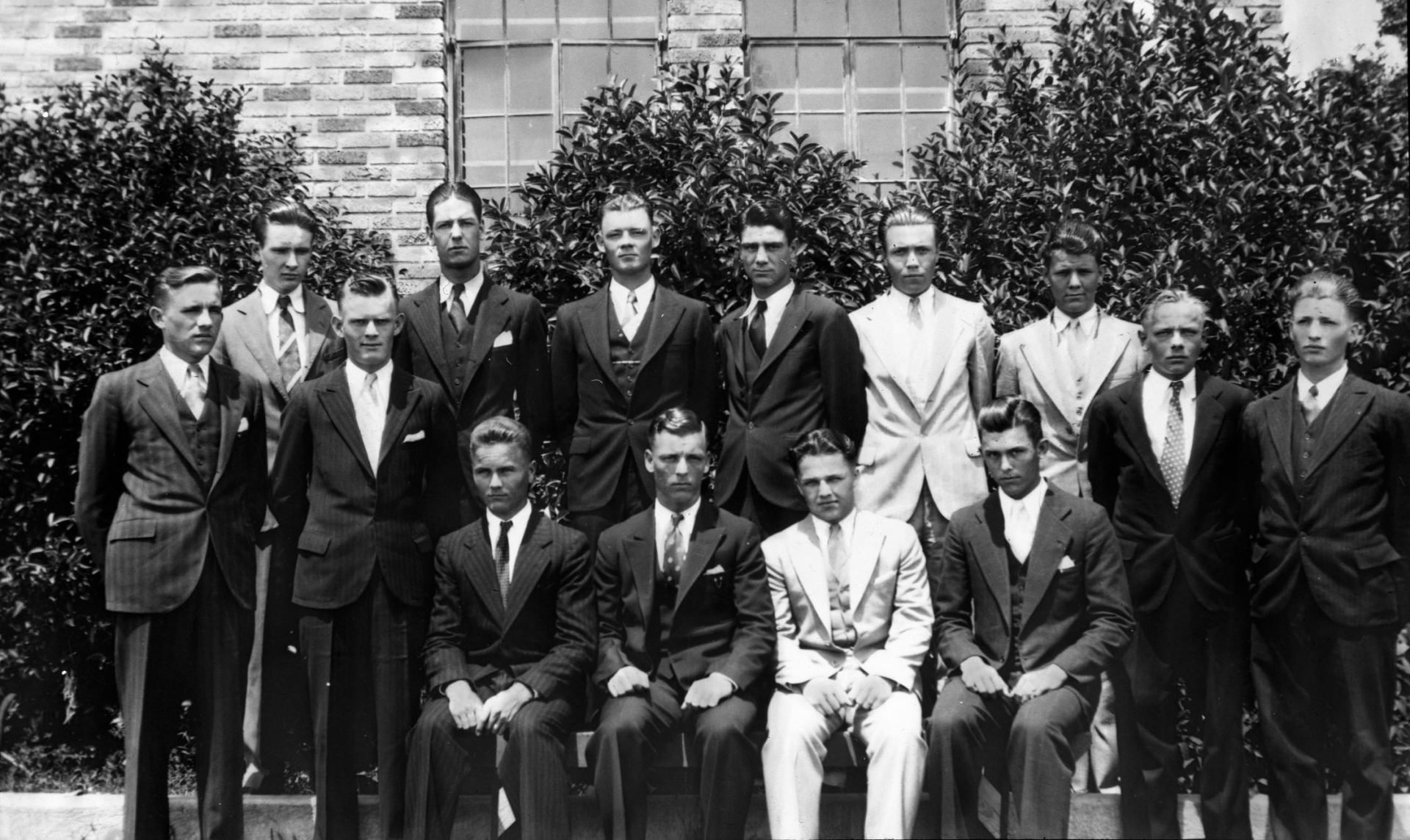
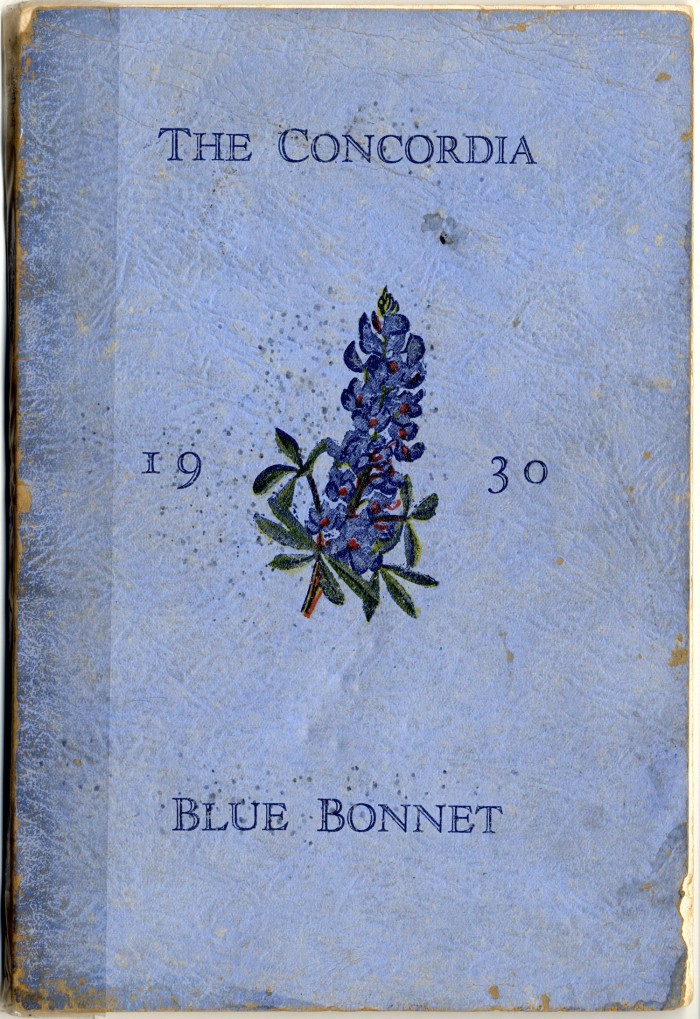
When I look back at Concordia’s first yearbook, “The Concordia Blue Bonnet, 1930”, there were many men whom I would meet through various means….men of whom my dad spoke often – men with whom he had lifelong friendships. This is not to mention faithful leaders who were at Concordia in my dad’s time and who were still there 30 years later when I started high school – men like Dr. Henry Studtman and Professor Gotthilf Viehweg.
It should come as no great surprise that I felt led to attend both Lutheran Concordia College (Academy) for four years and Concordia College in junior college thereafter (1962-1968). Those were precious years….years of personal growth, educational growth, spiritual growth and growth of friendships maintained to this day. Concordia also became a place of employment for a couple of summers, when I worked as a member of the summer maintenance crew for two years.
Then, in 2007, it was announced that Concordia would move the campus. Having physically outgrown its physical space, Concordia needed to move or stagnate. I understood the reasons, but I immediately felt mixed emotions.
The original downtown campus, located just off of IH 35 in Austin, Texas, would be sold, the buildings razed and a new campus purchased and built. What would become of some of the tangible artifacts of the campus that would live forever in the minds of alumni? What of the oral histories belonging to alumni, young and old, who had experienced life at Concordia at that location?
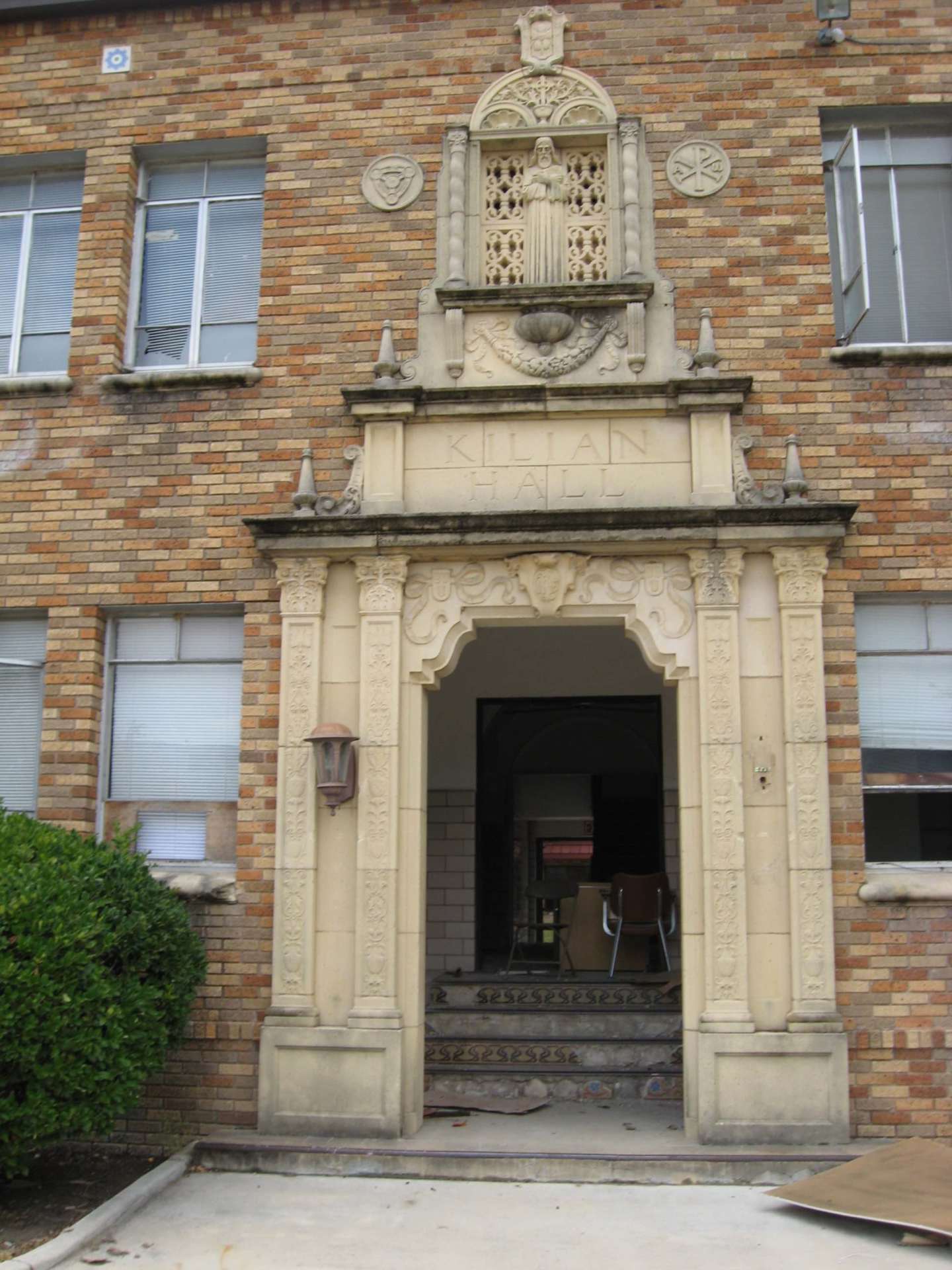
Thankfully, Concordia chose to preserve some artifacts from the old campus. The formation of a history committee guided efforts to select, manage and preserve those artifacts, as well as the institution's history. One such effort the committee wholeheartedly committed to was the production of a history video. Tim Ristow, a communication alumni (Class of '92), was commissioned to produce it. Tim had served on staff at Concordia as a video producer from 1994-1999. He had also produced several videos for Concordia as a freelance producer since leaving Concordia.
It was Tim who first proposed the idea of producing the piece specifically as a documentary. To my great honor, Tim asked if I would assist him in various aspects of producing it, predominantly due to my own history and associations with Concordia and its people. The production became “Crossing Jordan: The History & Relocation of Concordia University Texas”.
Tim’s vision was to approach the documentary from the perspective of the decades in which Concordia made its home at the old campus. But how would we begin? The students from the earliest era were , for the most part, deceased. Could it be possible that any of those original students could yet be alive?
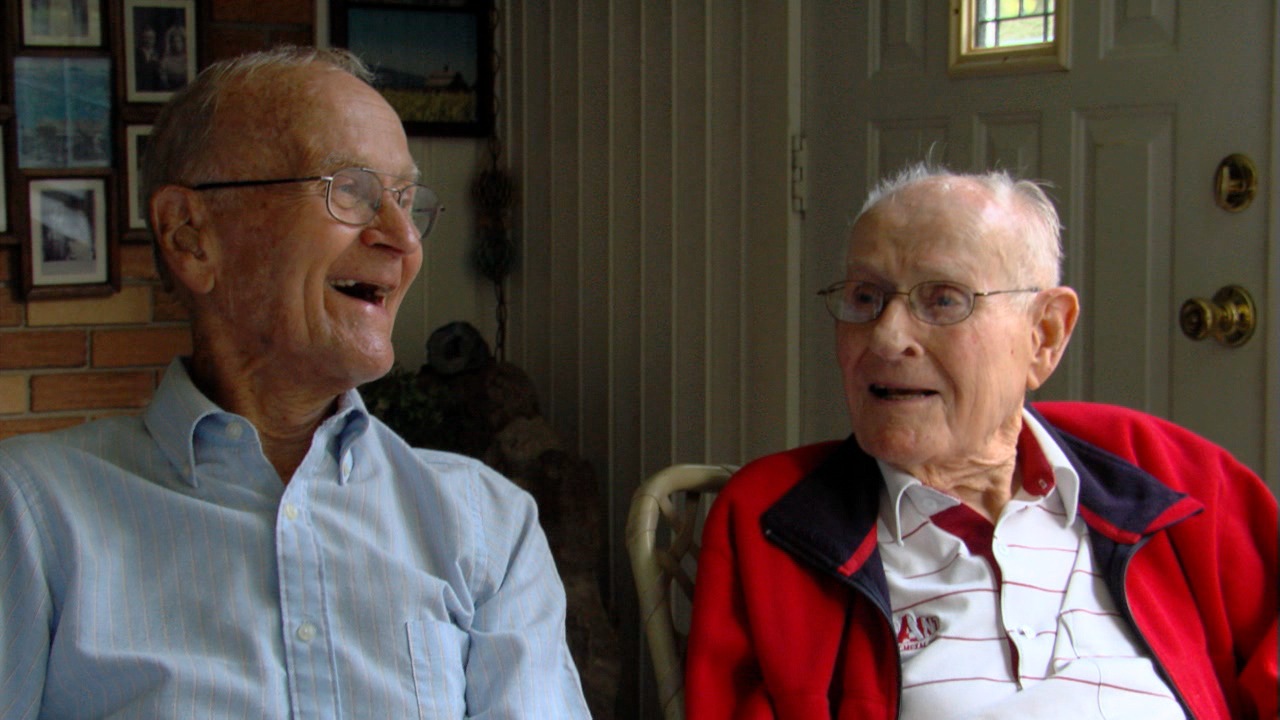
I began again by looking at that early yearbook, “The Concordia Blue Bonnet”. As I did, names of men that my dad had spoken of began to come to mind – men that I had met…and two of which I knew were still alive and living in Houston. The men were Rev. Elmer Klenk and Rev. Walter Bielefeldt. I phoned them both. They were in their 90’s and I wasn’t certain that they would make the connection between me my dad. However, they did indeed make the connection. I would explain to them that a documentary was being made and that we would be blessed if they would share some of their memories in a videotaped interview. I contacted Rev. Klenk first. He was excited at the prospect and agreed to the invitation. I then contacted Rev. Bielefeldt. While he was not adverse to the idea of the documentary, he adamantly stated that he did not wish to be interviewed. I explained that his old friend, Elmer Klenk, was willing to be interviewed and that the possibility of interviewing them together would be marvelous. He remained resistant to being interviewed.
I had just about given up when I recalled that he was still proficient in the German language. As a last hope, I began to converse with him in German, making a few jokes….finally appealing once again to him to be interviewed with Rev. Klenk. There was a short pause and then he responded to me in English, “Well, I guess I could do an interview with Elmer”. What a blessing that answer turned out to be!
I spoke with Tim and we arranged a trip to Houston, where we would meet at Rev. Klenk’s home and that Rev. Bielefeldt would meet us there. While Tim set up the video equipment, I began to engage the two elderly, but very sharp men in some “small talk”. When Tim was ready to shoot, I pulled out an envelope containing some 25 photos that my father had taken while he was at Concordia. That action opened the floodgates to their memories.
For nearly two hours these men talked, laughed and, at times, came close to weeping as they shared countless memories…..some associated with the photos, but many more for which the photos served as a catalyst to yet other memories. While only a couple of scenes from that interview appeared in the documentary, we now have nearly two hours of oral history captured on film. The irony (no, the providence of Almighty God) is the fact that within one year, both of these wonderful men were called to their eternal home in heaven. Coincidence? I think not.
Another wonderful “happenstance” was centered around an interview that Tim and I had done about one year prior to the production of the documentary. Realizing that the last functioning year at Concordia’s old campus also marked the fortieth anniversary of the 1968 graduating class (which was also the year of my graduation), I had decided to organize a class reunion. This would be the last time that our class would be able to gather on the old downtown campus. I thought it appropriate to call the event “One Last Time” and that became its theme. I made contact with as many former classmates as possible and some of them then made contacts with others. I also contacted as many of the professors and instructors that we had and invited them to be there. There were, however, two individuals who had a major impact on our lives, but with whom I had a difficult time locating. With the help of friends, these two individuals were finally located.
One individual was Dr. Walter Rubke, who was the president of Concordia when we graduated and who was now retired and residing in California. Dr. Rubke had been quite close to our class. The year 1968 had been a rather emotion filled time for the students at Concordia, largely in view of the fact that three of our fellow students had been killed in a tragic accident. Dr Rubke had been very sensitive to our class in the light of this incident. How nice it would have been to have Dr. Rubke at the reunion. But, alas, health issues and others prevented him from doing so.
However, another former Concordia student, Mr. Phil Hohle, who was then serving as an instructor in video technology at Concordia, was going to make a trip to California. By the grace of God, I was able to coordinate a meeting between Phil and Dr. Rubke. Phil was able to interview Dr. Rubke on our behalf. During his years of video production work, Phil had interviewed most of Concordia's previous presidents, including Dr. George Beto. However, he had never interviewed Dr. Rubke...until now.
The other individual who had had a major impact on our class was Mr. Walter Swarthout. Walter, for many years, had been the Food Service Manager at Concordia. Despite his rather abrasive outward demeanor he was, in fact, very kind-hearted. The students quickly found that out. One can only surmise the number of students who went to talk with Walter when they were having problems. Consequently, he was very loved by the student body. With the help of friends, I was able to locate Walter, who was residing in Plano, Texas. How wonderful it would be if Walter could come to our reunion. However, shortly after contacting him, I learned that he had terminal cancer and was doing very poorly. He would not be able to attend. So I was emboldened to ask if we could come to him to do an interview. He agreed, but stated that there was a risk that he would not be able to follow through. We decided to take the risk. So, Tim, Jackie Faulkner (Director of Alumni Development at Concordia at the time) and I, traveled to Plano. We had been informed that the interview may have to be done at the bedside of Walter….and that it may be short. Alas, upon arrival, we waited in Walter’s home and to our surprise he came into his den, assisted by a walker. We greeted (after 40 years) and Walter was ready to be interviewed. The interview lasted for more than an hour. Afterward, I prayed with Walter. Then Tim, Jackie and I said our goodbyes. It was an emotional meeting.
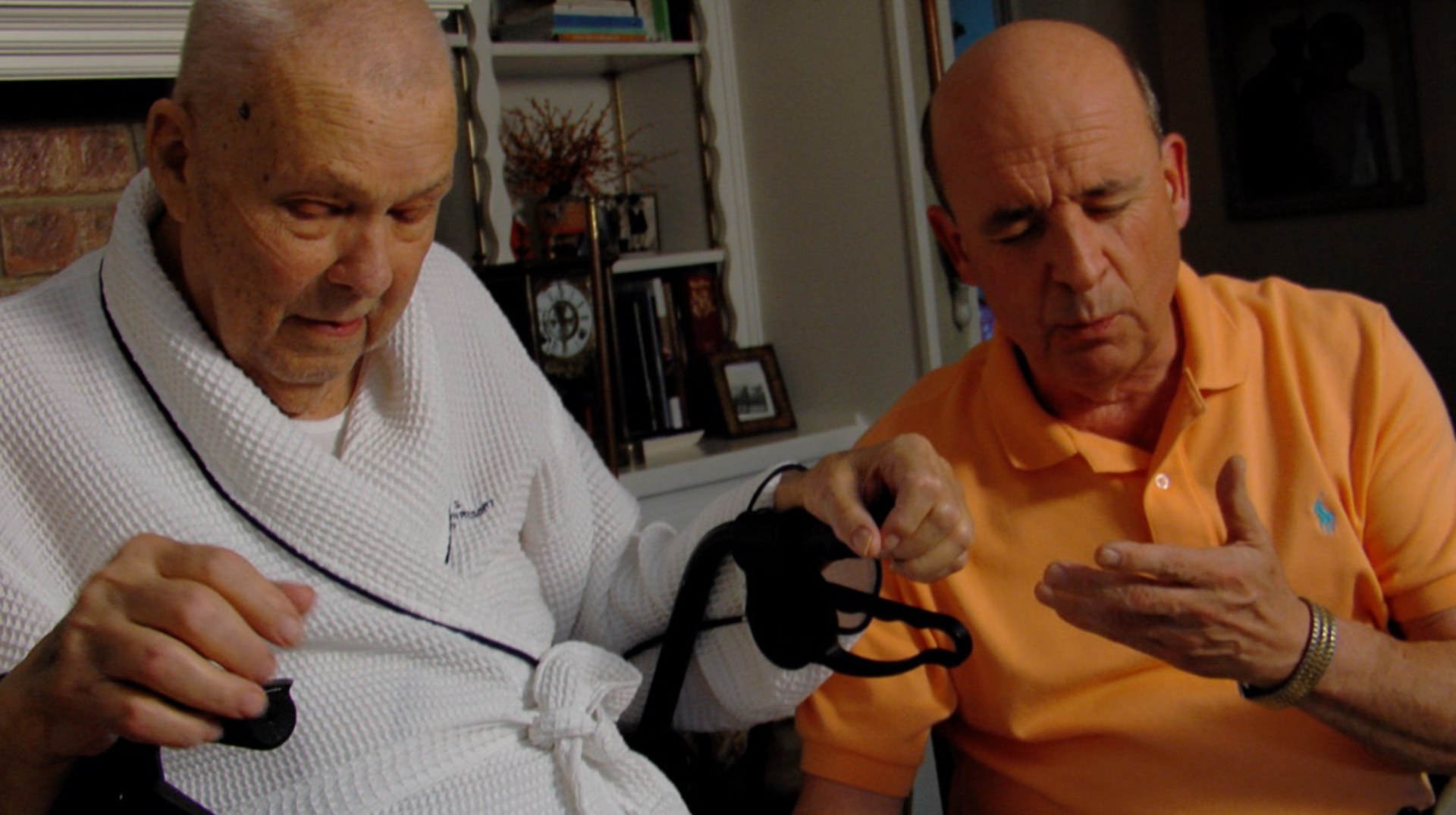
Three days after that interview, Walter Swarthout died. Again, by God’s grace, an oral history had been captured…just in the nick of time. A portion of Walter's interview was included in "Crossing Jordan".
The professors and instructors at Concordia had been not only outstanding educators, but had been very caring and helpful to the student body. It , therefore, seemed only appropriate that some of their stories ought to be included in the documentary. Thus, Tim and I set out to arrange interviews with some of these interviews. One such interview was with Dr. Leroy Tschatschula. Dr. Tschatschula had, for many years, taught various history, civics and geography classes. He was always kind and even tempered. Having also gone to high school at Concordia, he was able to relate to the antics of the high school students he taught. After his retirement, Dr. Tschatchula sort of went off the radar screen. When I organized the “One Last Time” reunion, I was able to locate Dr. Tschatschula and he and his wife attended the event. So when “Crossing Jordan” came into being, it was wonderful to have Dr. Tschatschula interviewed and having him relate, in loving terms, stories like the time he found his office toilet papered by some rascally students. The same types of memorable events came to light when other professors such as Dr. Milton Riemer, Dr. Richard Dinda, Dr. Ray Martens and others were interviewed. Our professors and instructors would become our friends.
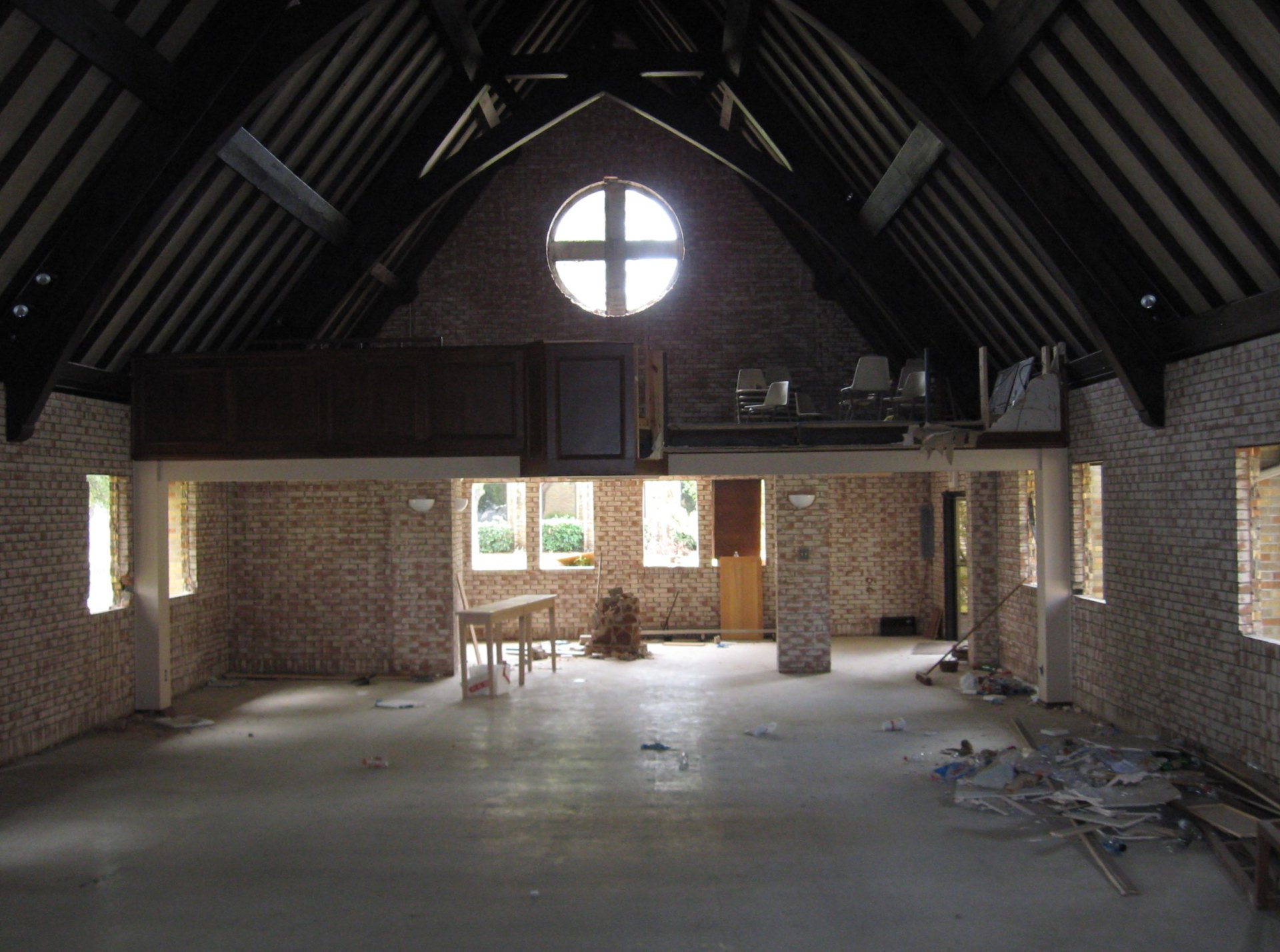
Perhaps the most emotional aspect of "Crossing Jordan", personally, happened when Tim interviewed me as we walked the old campus on the last day that it was accessible to the public. The very fact that I knew this would be the last time I’d ever set foot on the old campus was emotional in and of itself. But, making the experience even more emotional was seeing wrecking balls knock down the buildings….buildings that held so very many memories. The most emotional moment, however, came when we were finishing the interview in the old chapel. Much of it had already been stripped of its elements: stained glass windows had all been removed as had the cornerstone. Furniture, the cross, the organ...all already gone and moved to the new campus. It really was just a shell of what I once remembered that chapel to be. Standing in the shell of that building where we had worshiped so many time with friends and professors…..where Dr. Studtman’s body lay in state after his death…..where future pastors and teachers would get their first experiences in publicly sharing the Gospel….where students and teachers alike experienced in a real way what the Apostle Paul wrote of in Ephesians 4:2-6: “Be completely humble and gentle; be patient, bearing with one another in love. Make every effort to keep the unity of the Spirit through the bond of peace. There is one body and one Spirit, just as you were called to one hope when you were called; one Lord, one faith, one baptism; one God and Father of all, who is over all and through all and in all.” It was there, in that place and time, that I wept.
Concordia has always been about the people, not just the buildings. Among my dad's classmates were young men who would later become pastors and teachers in the Lutheran Church Missouri Synod – pastors and teachers whom I would later come to know personally and who would serve me in those capacities. Names like Art Graf and Edward Lange; relatives who were early students with names like Oscar Horn and Alfred Behrend; names of men who's children would go to Concordia with me in later years; names like Fritz Frieling and August Schkade.
Two of my children went on to attend Concordia University Texas, some 30 years after I attended. Like their grandfather, and father before them, they grew to appreciate the blessings that this institution had to offer and continues to this day. Wonder of wonders, some of their classmates were the children of some of my schoolmates….names like Handrick and Schkade.
I am grateful and blessed that Tim Ristow invited me to play a part in the producing of “Crossing Jordan”. Tim and I worked together prior to this project, but it was "Crossing Jordan" that helped develop a deeper friendship and respect for each other. How thankful I am that the Lord made a way for us to capture these stories – the oral histories, photos, and images of artifacts that would have been lost had the documentary not been made. I shall always fondly remember the experience and give God the glory for being honored to be a part of “Crossing Jordan: The History & Relocation of Concordia University Texas”.