June 13, 2020 · Tim Ristow
The Making of Crossing Jordan
PRODUCING A DOCUMENTARY
Imagine being entrusted with producing a documentary on the history of your alma mater for a significant moment in it's history – a moment that will never come again.
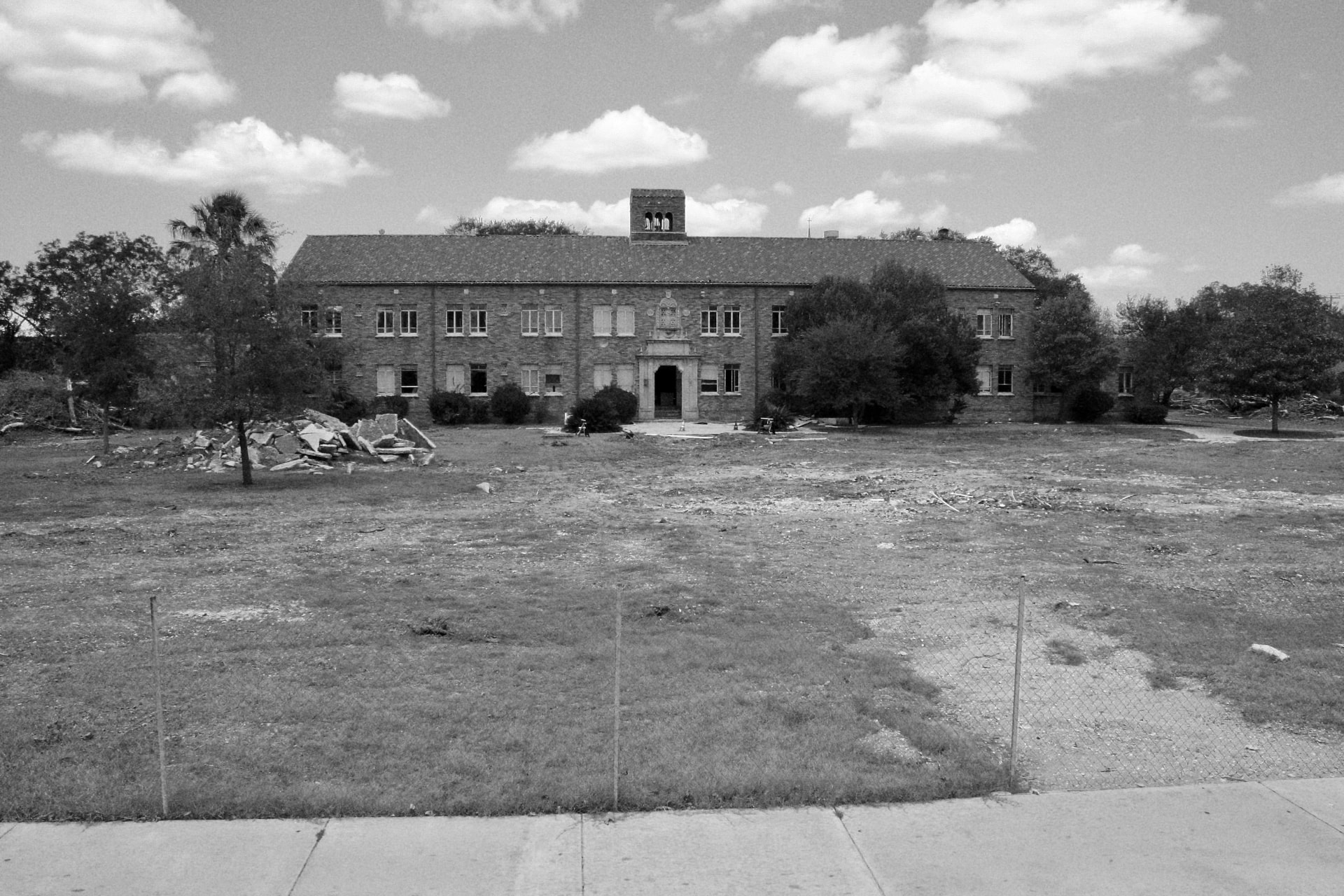
That's exactly the challenge - and opportunity - that I was privileged with in 2007 when I was hired to produce a video about the history of Concordia University Texas in Austin, my alma mater. Concordia, landlocked on all sides, had announced it would relocate the campus from downtown to northwest Austin, and that the existing campus would be sold and razed for new development. This controversial move signaled the end of an era in Concordia history, while simultaneously beginning a new one. Considering that Concordia meant so much to so many people in so many different ways over 80 years time, this was a daunting challenge for me as a filmmaker but also a personal one as an alum and former staff member of the institution.
My goal right from the beginning was to produce this as a documentary and not a public relations piece. Why is that an important distinction?
A documentary allows for some authentic and genuine storytelling potential that PR pieces tend to shy away from (particularly at that time). A documentary is not about crafting a specific image and manipulating emotions but about telling a truthful story with honest emotions. There were a lot of real emotions surrounding the decision to relocate the campus. I knew and had spoken with many fellow alum who weren't happy about the relocation. They were, after all, losing 'their' campus. Once demolished, they could never go back to visit the buildings they had once taken classes in, never walk the same walkways they had traversed as a student, and never sit under the old Pecan and Oak trees they had once studied beneath. In short, it was the ending of some things and an emotional point in time. I could relate. It had been my campus too. A very specific, physical place tied to many people, events and memories.
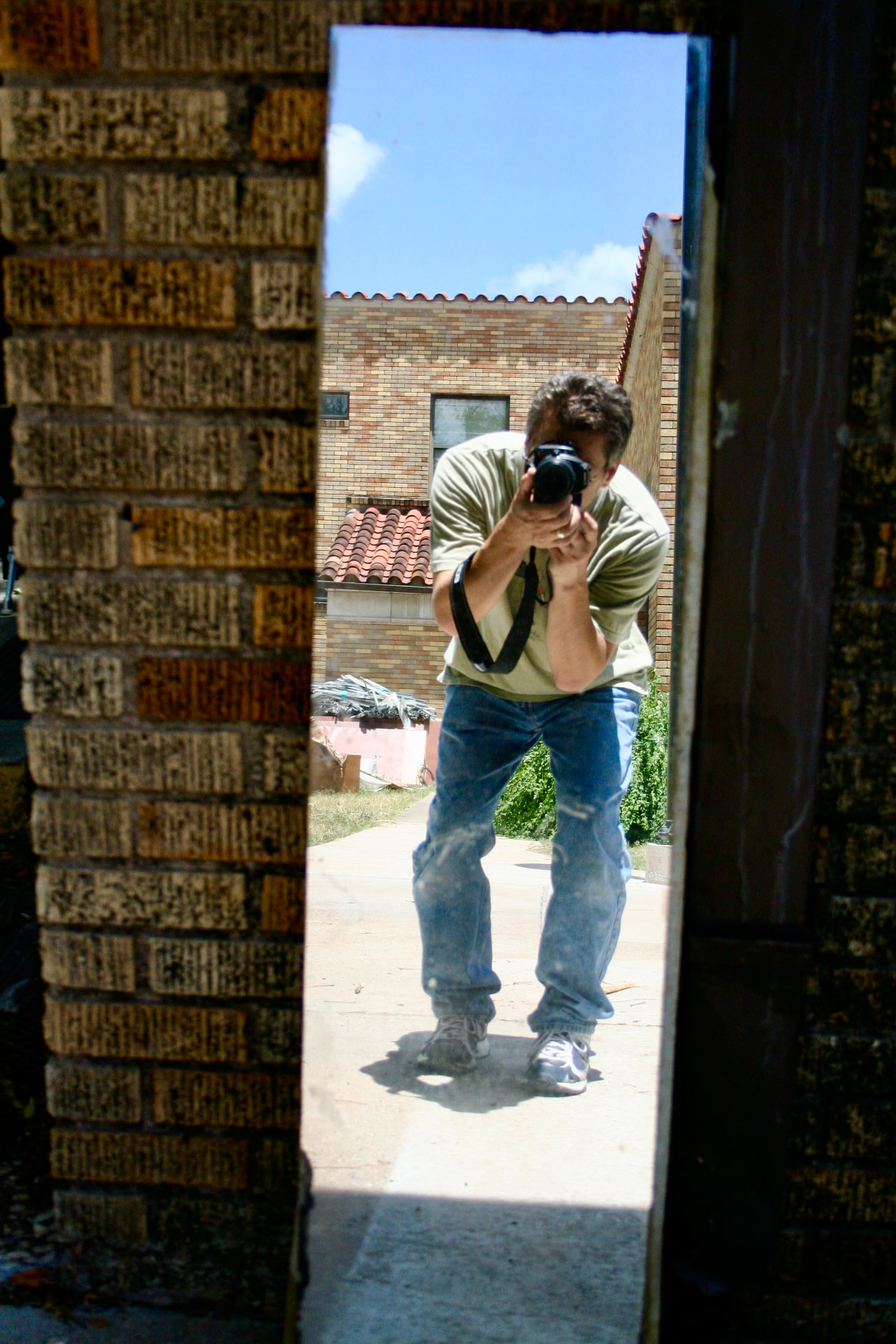
As the producer and director of this story, I felt that it was important not to shy away from those emotions. I wanted to give vent to some of that emotion directly in the story we would tell and not ignore it, gloss over it or, worse yet, pretend it didn't ever exist. In fact, I looked for opportunities to emphasize those genuine emotions and always sought to convey the truth of Concordia's history.
I believed that the emotional connection people had with Concordia should be a significant part of the narrative - the connective pipeline that would help to build cohesion among all the generations of Concordia - not the divisive element some viewed it as being. Producing a public relations piece at that point in time, in my opinion, would do more harm than good and be quickly ignored and forgotten. Concordia had done them before. I had produced them for Concordia before. But one of the ways to distinguish this "new" Concordia from the past was to begin by producing pieces that Concordia hadn't done before and that resonated with the alum – and maybe even potentially a target audience outside the university, if we did it right.
Why not produce a piece that embraces the emotions of it all? Why not tell the Concordia story in a new way that resonates with people and stands the test of time?
While there were a few dissenting voices, the majority were extremely positive and very supportive of the idea of doing this as a documentary. I give great credit to several people at Concordia for helping to make this happen. Chief among them was certainly Dr. Thomas Cedel, then president of Concordia, who was instrumental in allowing me great freedom in producing the piece. He also gave very candid interviews, which I appreciated as it helped to make the storytelling more effective.
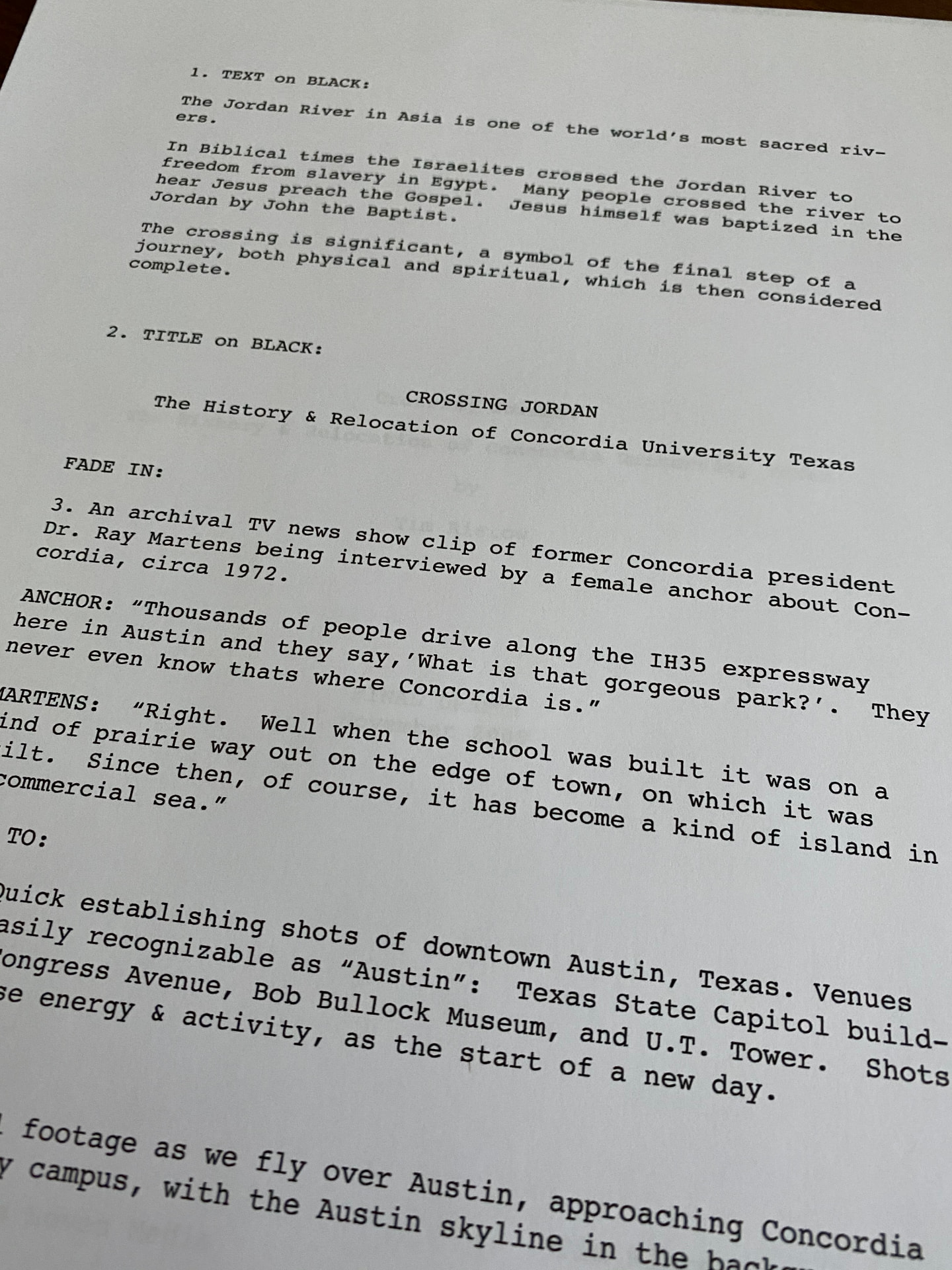
Filming and scriptwriting were intertwined, going hand-in-hand on this project. As shooting got underway and I began writing the first draft of the script,, things flowed pretty smoothly. There were ultimately very few major changes to the script: if I recall correctly it underwent about 5 drafts. That's not a lot. It was liberating right from the start. But also very humbling.
People were entrusting me to tell Concordia's story. I had to get it right.
MEETING A WEND
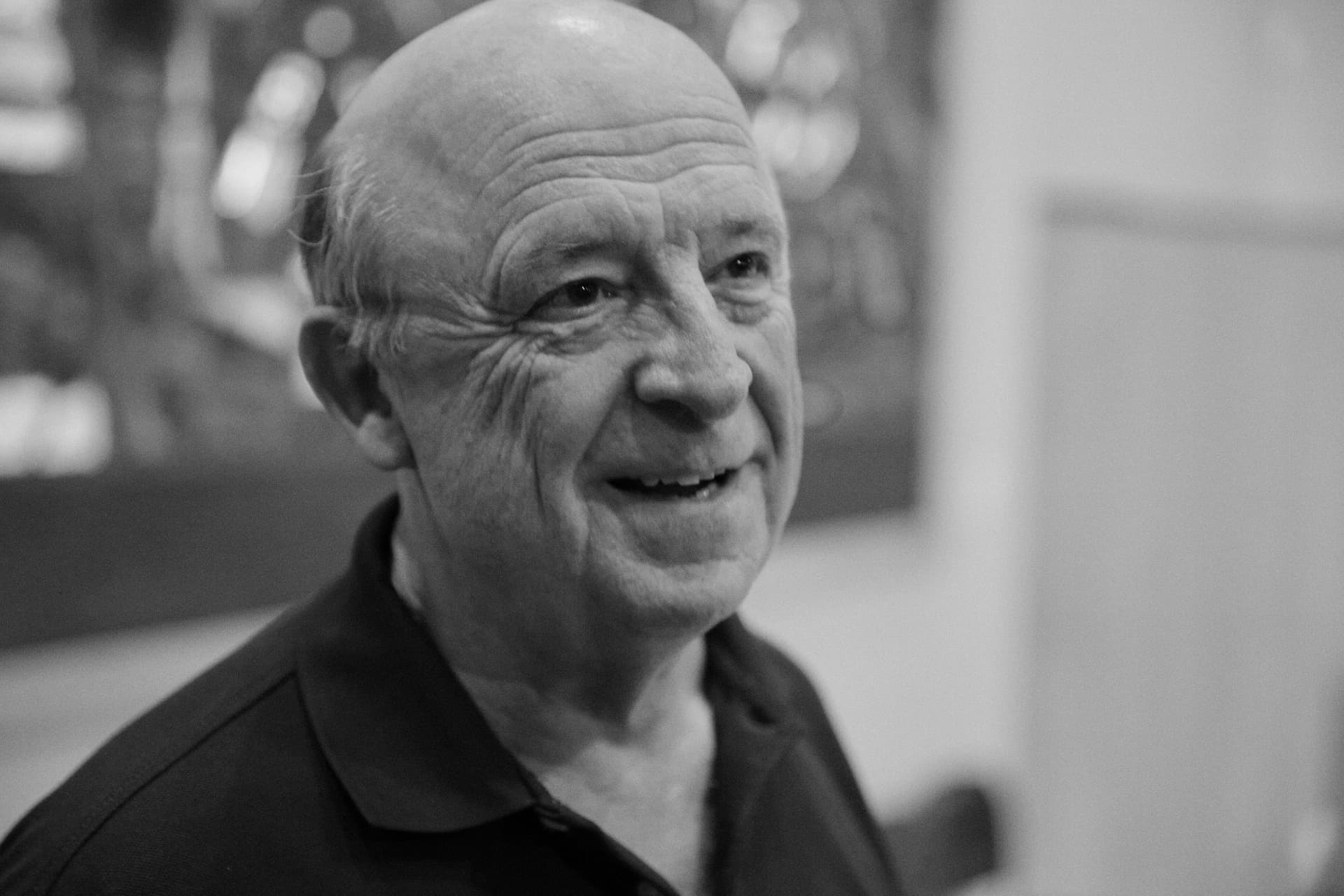
I met David Goeke in 2005 while working on a small history documentary for the Texas District of the Lutheran Church Missouri Synod titled "One Hundred Years of Faith". That documentary was being produced for the 100th anniversary of the Lutheran Church in Texas. I interviewed David about the history of the Wends in connection with Lutheran history in Texas. The Wends were a group of Slavic immigrants who had started migrating to Texas in 1849. Johann Kilian, a Wend pastor who started St. Paul's Lutheran church in Serbin, Texas, had actually been one of the early pioneers that gave birth to what would later become Concordia University Texas.
David was a Wend and very endeared to his Wendish heritage. After interviewing David, I recall how passionate he was about Lutheran history! That natural passion came across on-camera earnestly. Perhaps, a little too much sometimes. But I could work with that. It's always refreshing to have someone just be themselves on-camera.
As David and I talked more, we learned of our mutual passion for Concordia as well. David is a graduate of the Class of 1968. I'm Class of 1992. We each represented two uniquely different time periods of Concordia history. But David had met and interacted with, on some level, nearly every president in Concordia University Texas' history. David was also a part of the Concordia Historical Committee that Concordia University had put together to take charge of commemorating its history, including hiring me to produce the documentary and preserving historical artifacts that would be transported and displayed on the new campus. He was also in the process of organizing a "One Last Time" reunion of his Concordia class from the 1960's.
It quickly became clear that David needed to be a more integral part of Crossing Jordan and I began to experiment with including him in on-camera segments, including some interviews and footage, ultimately deciding to film parts of his "One Last Time" reunion event. He became an invaluable part of the project – and a good friend. In many ways, David served as an un-credited co-producer on the documentary.
RESEARCHING
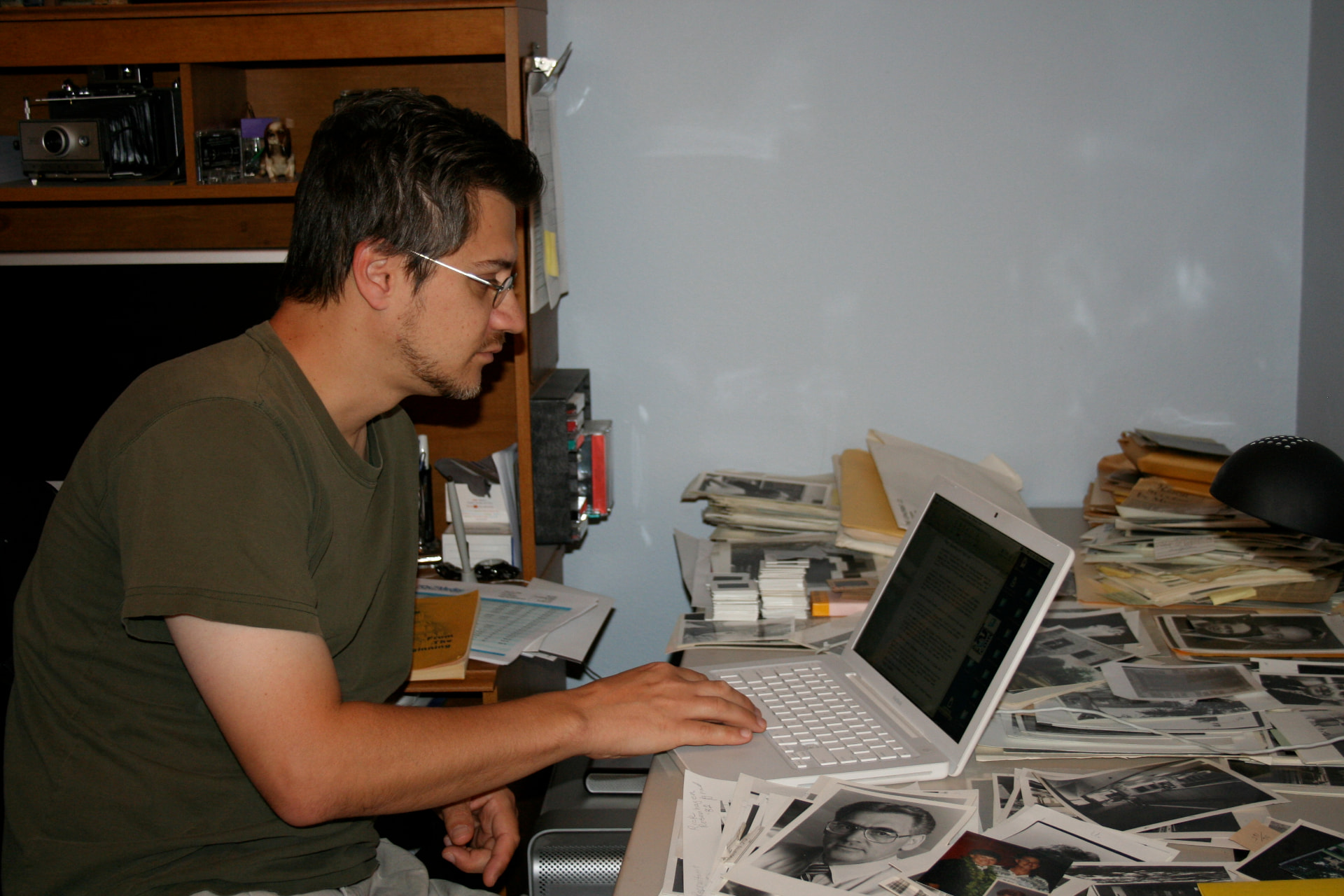
The process of researching an academic institution's entire history was daunting. Concordia opened its doors in 1926 and thousands of people had walked through those doors since that time. It seemed almost impossible to tell the entire Concordia story even within the 2-hour time frame I'd proposed for the documentary. So researching to find out what areas of history would be best to focus on and what visual records and documents even existed in the archives to aid in showing that history was a priority.
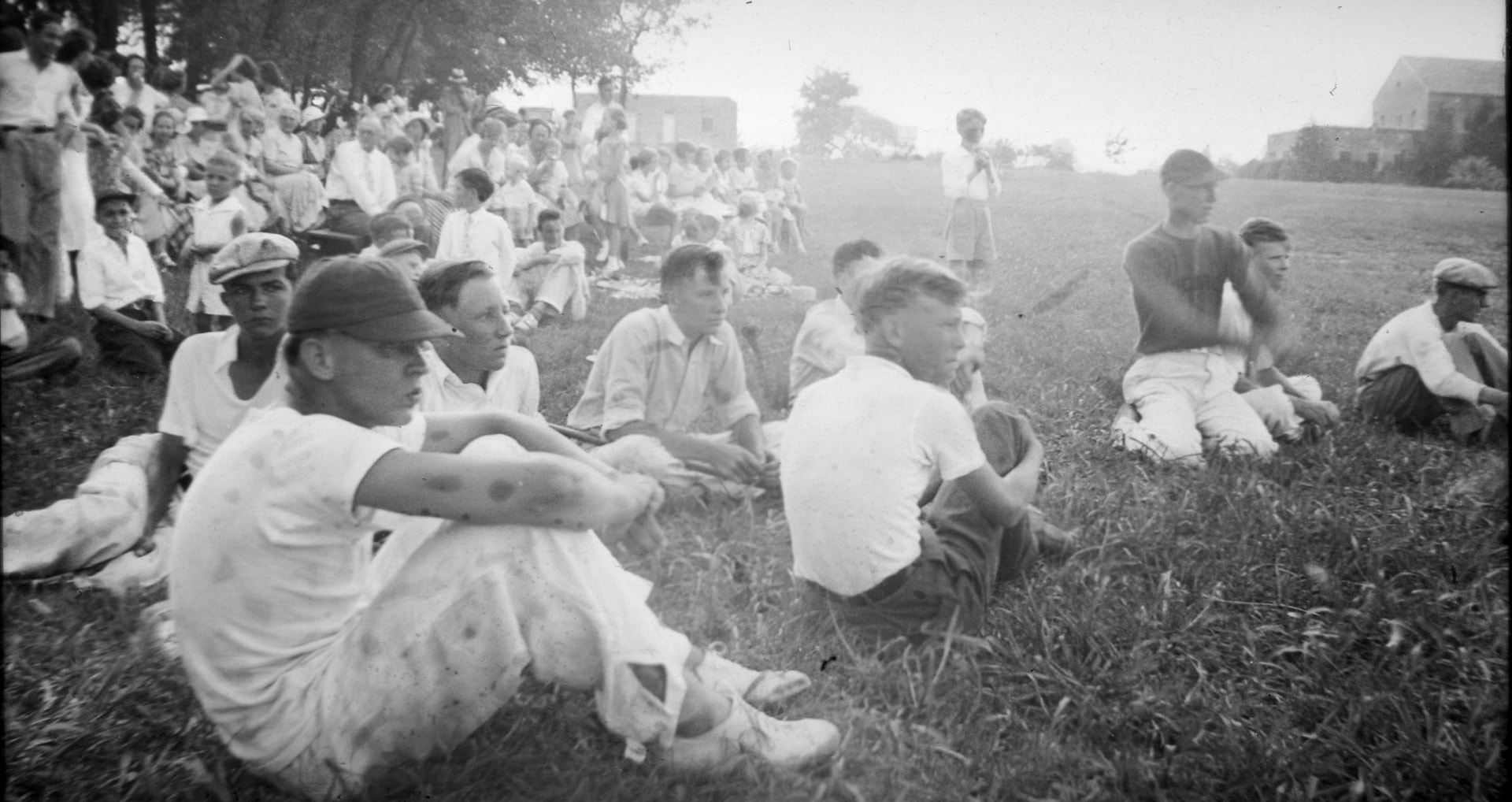
Some of the media that I knew existed and fully intended to use were two archival films. One was a reel of black & white footage from the Concordia dedication in 1926. The second was some 16mm film footage taken by former Concordia president George Beto (shot on a tri-lens Bolex 16mm camera which was still on campus at the time). Both of these films had been used by my former Communications professor, mentor and fellow filmmaker, Philip Hohle. He had produced a short history film in the '80's for and about Concordia titled A Cloud of Witnesses that utilized some of that film footage. I had no idea what shape the films were in now but knew they had to be a part of "Crossing Jordan" as they were the only archival footage of their kind from those eras. As it turned out, I was able to personally telecine the films to video and integrate almost every frame of those two films into Crossing Jordan in a variety of ways.
TELLING THE CONCORDIA STORY
In telling the story of Concordia, it was important to emphasize relationships. This wasn't just about buildings and a physical campus, although they would certainly be an integral part of the story. First and foremost, though, it was always going to be about people.
Early in development in 2007 I recall an idea had been floated to me that we approach the history of Concordia as a kind of visual tapestry. The people, events & buildings - the individual strands of the tapestry - weave together over time to form the whole of the tapestry, that is Concordia. While I generally liked this idea, the more I thought through this concept - and how to implement that idea - the broader it became. At first, it sounded like a nice connective element but the implementation, in reality, would be too abstract and a bit too philosophical for what I wanted to achieve. The tapestry was more of a concept. I didn't see Concordia as a 'concept'. Concordia was about people.
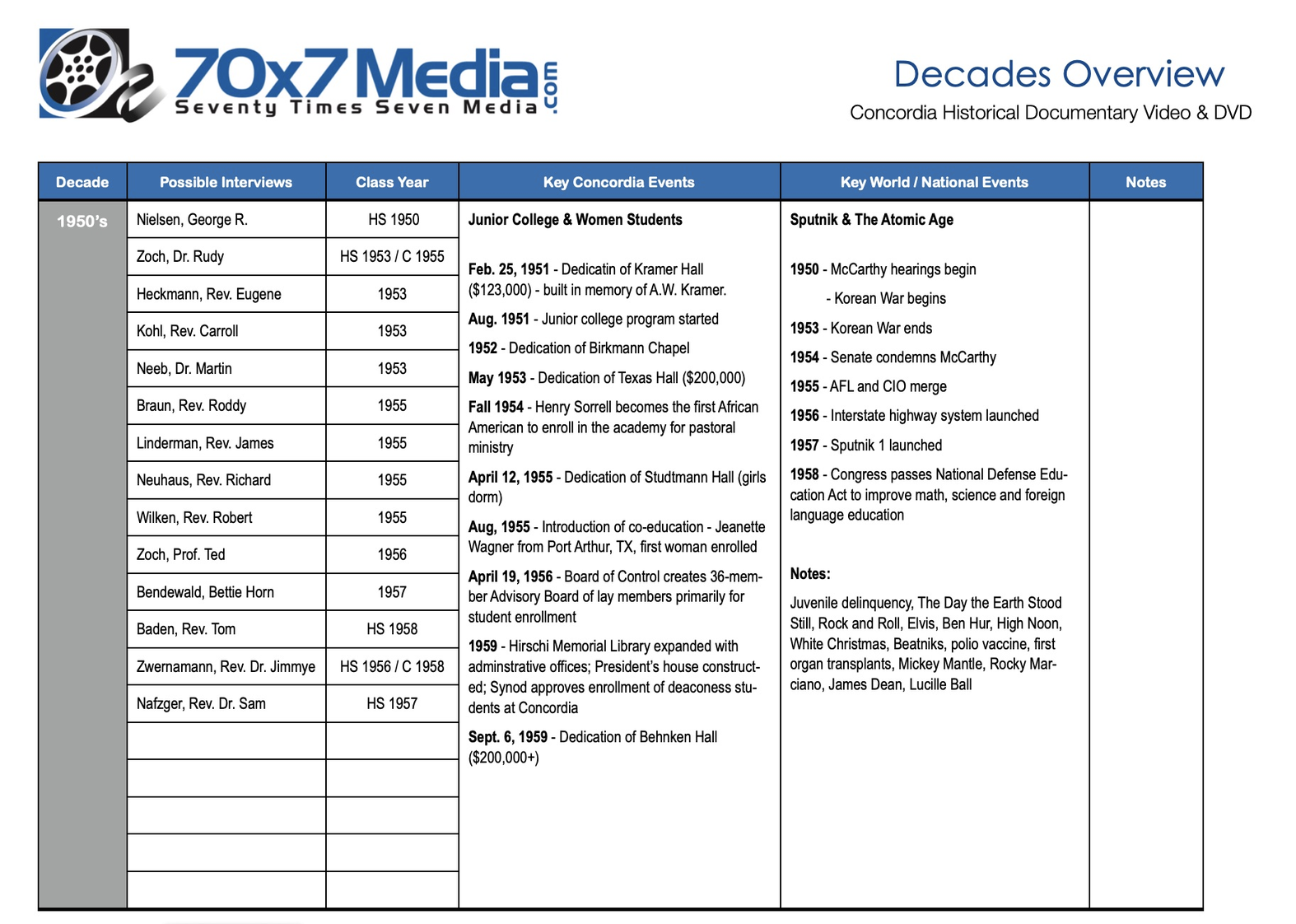
I also knew that we needed to break away from the "past" narrative so the documentary didn't just become segments of old Concordia history all strung together. I admired filmmaker Ken Burns' documentaries and planned to emulate his style in telling the history of Concordia. But, as someone on the History Committee at Concordia told me after I first proposed my idea of a 2-hour documentary, "I'm not sure I even want to watch 2 hours of Concordia history!" I got it. I knew many people wouldn't be interested in seeing a piece that just exhumed Concordia's past, even if it did mimic Ken Burn's style. Nevertheless, I was being hired to pay homage to Concordia's history and recount just that: the past. But I wanted people to want to watch it and be engaged by it. We would break it into smaller segments by exploring Concordia history by decade. Most of its history fit fairly neatly into decade segments. I even proposed interjecting little nuggets of U.S and World history into those segments to help give some context for Concordia events. The members of the Concordia History Committee agreed.
As I researched, I started keeping notes about each decade of Concordia, recording key events and listing people who I could potentially interview. I also noted some key national and world events that offered me some ideas for potential lead-in segments to the decade storylines, placing Concordia events in context within history at large. These notes proved helpful in me being able to see the big picture of Concordia history. It also proved invaluable when it came time to prioritize the most significant events and decide what things to cut, when the time came, to keep the documentary within a reasonable length. It was also just a fun process and I really enjoyed having the time to research and develop these notes.
As brainstorming continued, it occurred to me that there were two concurrent historical narratives going on: the past history of Concordia leading all the way up to the present and the current history of the relocation that was in-progress and unfolding at that moment. The fact that I could integrate Concordia's present history into the narrative is what really began to intrigue me.
That's when I realized something wonderful: why not tell both stories - both histories - past and present? We could intercut between the two, breaking up the past history by decade with stories in the present as the campus relocation progresses. In essence, both the past and present storylines would progress forward, alternating, and eventually merging at the end. This was the idea that really started to drive the project forward.
This idea developed quickly and, honestly, I'm not sure anymore who proposed this next idea. We decided we would follow several students through the last year of life on the downtown campus as part of the present-day storyline. For some it was their freshman year and they would go on to ultimately graduate on the new campus. For others it was their senior year, and the campus they were about to graduate from would be almost immediately wiped away. We would intercut following these student stories in the present with looking back to each decade of Concordia's past. Ideally, I wanted to follow specific students through those past decades as well, to mirror our storytelling in the present. But that started to get more convoluted with all the timeline storytelling. Also, I wasn't sure we could get enough information from the archives on student stories that far back to make it engaging enough. Ultimately, that part of the idea was dropped.
The story continued to develop later in the process. One day, I was busy at work in the edit suite, well into post-production on "Crossing Jordan". I was re-working the opening scenes, struggling to find the proper lead-in scenes to our story. Originally I'd written the documentary to begin with scenes from the late 1920's at the very beginning of Concordia history. But it seemed too slow of a start and an uninspired way to lead-in. While I wanted a Ken Burns-like feel to the past segments - a very lush, historical feel - I was worried starting that far back in the past might turn off some viewers. I was trying to appeal to more than just an alumni audience. I needed a more interesting hook at the beginning, something to get viewers invested early on in wanting to watch this story through to the end. I decided to borrow a storytelling technique that I had learned as a student at Concordia. The late Dr. Milton Riemer, former World History professor at Concordia, had taught his students how Greek tragedies and stories often started their narratives "in medias res" (Latin for "in the middle"). That had always stuck with me.
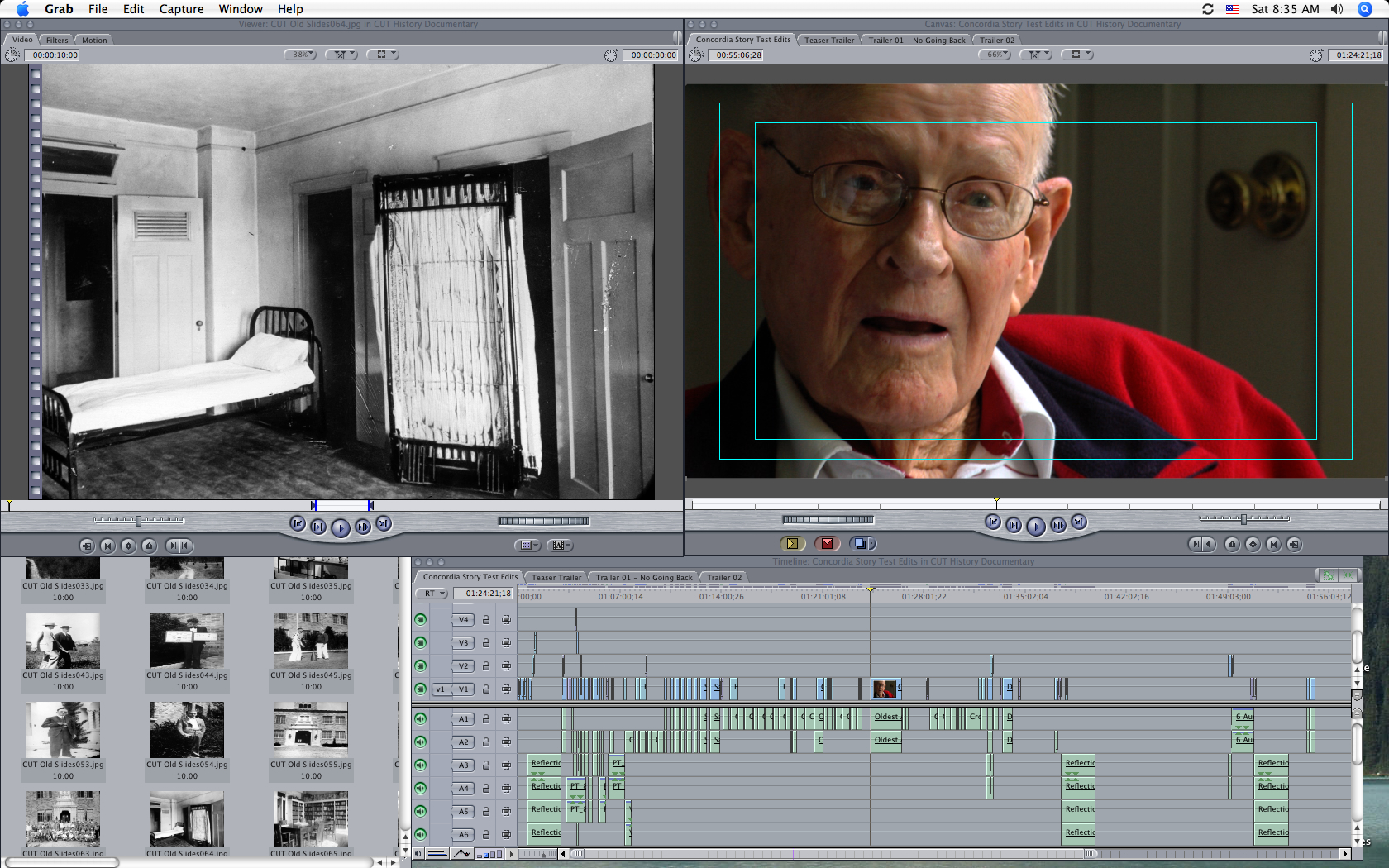
Why not start the Concordia story 'in the middle' of the present day storyline before flashing back to the past?
So I began working on a scene using footage I'd shot of alum David Goeke as he toured the original campus one last time, mere days before it was to be demolished. It was a nostalgic tour on a day that had been filled with rainstorms. Lots of emotion and atmosphere. I would revisit this scene again at the end of the documentary, ultimately leading in to scenes of campus demolition. The opening scene with David proved perfect. It offered a nice entry point back into the present-day storyline. It also provided a much needed hook before traveling to the slower-paced past storyline while at the same time giving cohesive bookends to the entire documentary.
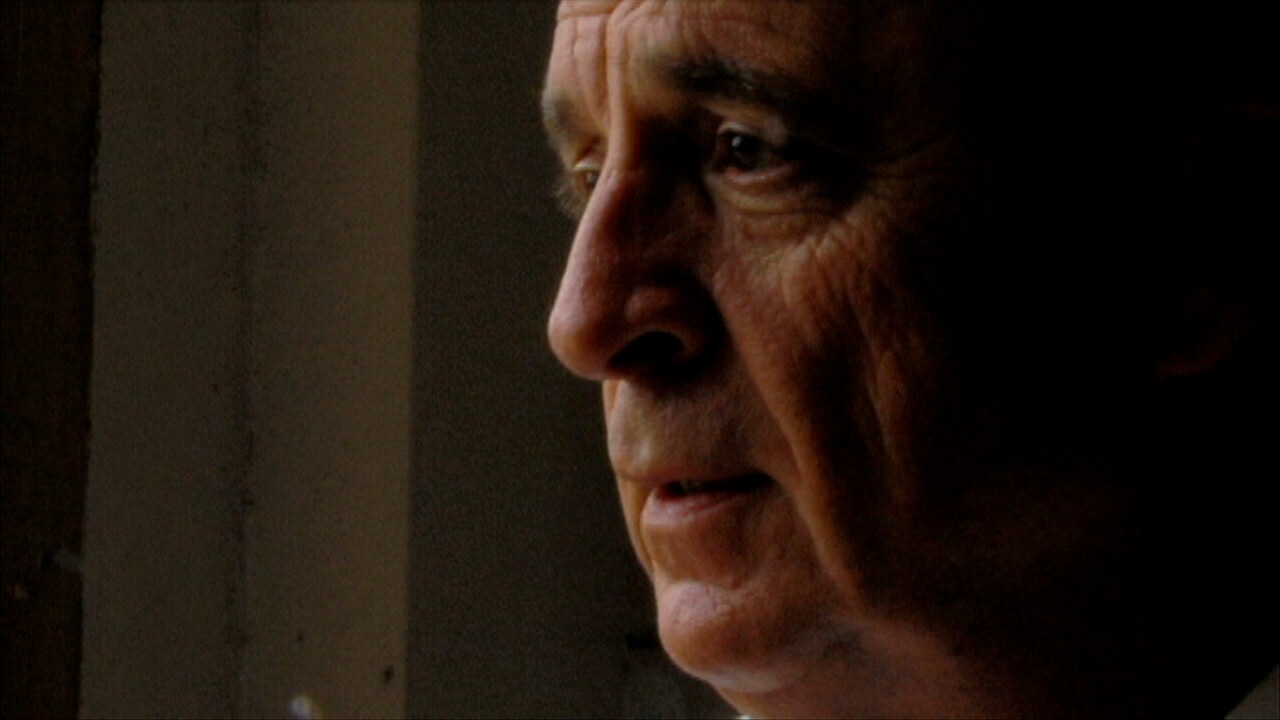
David becomes our guide - the protagonist, if you will - with whom we journey along through Concordia's history. His journey was meant to represent the viewer's journey. He was to be our eyes and ears and we learn about Concordia history from his perspective. It was then, I realized, that we had something really special going with this piece. This wasn't just a documentary anymore. It was becoming a loose narrative documentary: we now had a protagonist (David), a conflict (original Concordia campus will be demolished) and eventually a resolution (David learns to accept the new Concordia). Since Crossing Jordan was shot and produced over 2 1/2 years, our story would certainly reflect changes over time, not just in the past but even in the present storyline. All of these are characteristics of a narrative documentary.
UNPRODUCED 'LOST' SCENES & WHAT COULD HAVE BEEN
I had big aspirations for "Crossing Jordan". There were many stories that I had hoped to tell within the historical narrative of Concordia history. As with any production, many of them simply did not come to fruition, for a variety of reasons, be it time, scheduling, people, or budget.
At one point, I considered producing Concordia's history as a 30-minute documentary that we would push to get aired on the local PBS channel, KLRU. I had some connections there at the time and knew, with a properly produced (though perhaps slightly more Austin-centric) piece, we could potentially get it on the air. But the budget just wasn't there for something that grand.
One scene, in particular, that I really wanted in "Crossing Jordan" involved a reunion of four former Concordia roommates during the 1950's when Concordia was still a high school. They included Rev. James Linderman (former president of the Texas District LCMS - and my former pastor at Christ Lutheran in Austin) and renowned Catholic Priest Richard Neuhaus, plus two other gentleman. Each of these men had risen to positions of respect and familiarity within the church. Each had their own unique personality and character. They had originally roomed together in the oldest building on campus: Kilian Hall - the one building that had stood since 1926. My dream was to reunite the four of them on the campus before it was demolished. I wanted to interview them as a group in Kilian Hall, ideally in the same room (or general space) they shared when they were roommates, and have them recount memories from their time at Concordia. We would also do a walking and talking tour of Kilian Hall and the campus as they shared memories. Then I would also do separate interviews afterward with the four of them, to capture any possible emotions of what being together again on the campus might bring up. This was something that could really only happen then, at that time, before the campus was gone. I knew it could be a very special part of the documentary. I really wanted to make it happen.
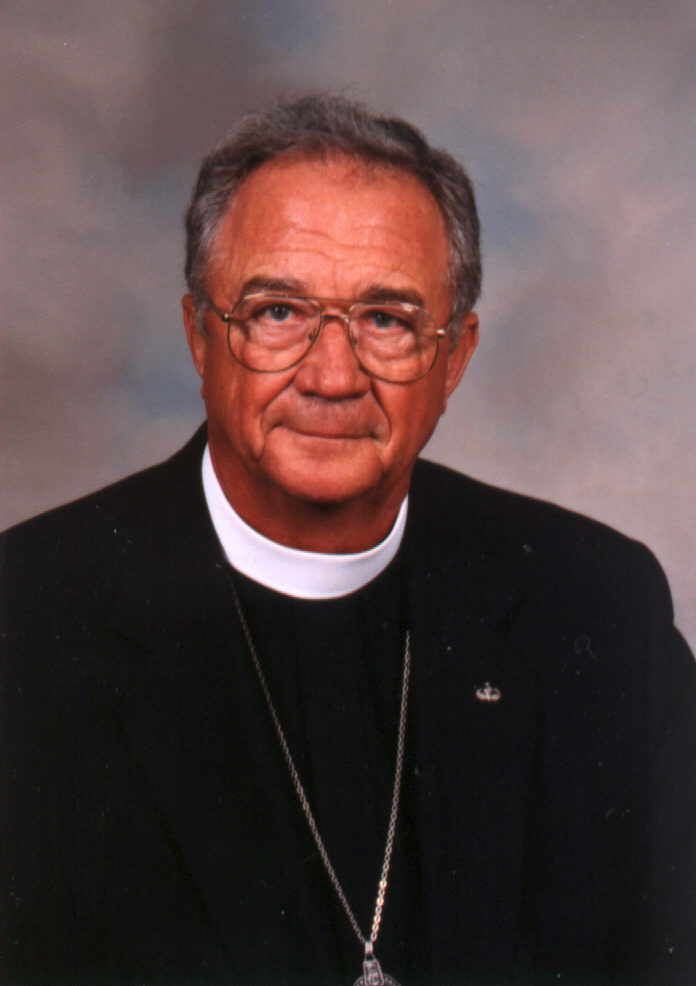
Unfortunately, it never came together.
All my efforts to get the men together simply didn't gel. Jim Linderman was willing to participate but had a busy schedule. He made efforts to connect with his old friend Richard Neuhaus. Dave Goeke attempted to connect with him as well. I also called Father Neuhaus myself, with whom I'd worked before when he came to campus to present a talk. I was an on-staff producer at Concordia at the time and produced a video of his presentation. But all our efforts to connect with him didn't pan out. Neuhaus, a popular and very in-demand theologian in his own right, had a busy and complicated schedule. In addition, his health was beginning to fail, making that schedule and demands on his time even more complicated. We were up against the timeline of when the campus would be demolished, of which I was given constantly shifting dates. Since Rev. Linderman and Father Neuhaus were really the key components in the whole reunion - and their schedules weren't allowing for it, I had to finally - and reluctantly - drop my efforts in pursuing producing that story in favor of moving on to others.
WHAT WORKED WELL
Although there were many things that didn't happen for the documentary, there were so many other things that did – and they helped contribute to Crossing Jordan's successful storytelling. A couple of things that immediately spring to mind:
We were fortunate to be able to interview Rev. Elmer Klenk and Walter Bielefeldt - the two oldest living Concordia alum at that time. They were one of the first interviews we shot for the film. They have since passed away. David Goeke talks about how he was able to secure their contribution to the film in "My Journey Through Crossing Jordan".
Monte Reid provided the voiceover for "Crossing Jordan". He is not recognized enough for his contribution to the success of the documentary. I was looking for someone to provide a bit of that PBS-like sounding narrative voiceover for all the past history scenes. I had met Monte via email. He had sent out an email promoting his voice talents along with an mp3 audio file voice demo. I'll never forget that demo! In it he said (very deep and serious sounding): "I would like you to consider me as your voice talent for your next project. I need money to feed and clothe my children." It went on in this very serious, but funny, deadpan sarcasm. I knew I had to connect with this guy. I've used him for many video projects over the years since. He's done voice work for a lot of movie trailers over the years, is an actor, and a profoundly deep Christian. He and his wife, a pastor, live in Sweden. His new book about public speaking, "Share From Your Heart", is out in June.
There were a lot of things that I feel worked really well but, again, I can't list them all here or I'll turn this article into a full-on making-of book.
CONCORDIA HISTORICAL COMMITTEE
I was fortunate to work closely with some special individuals on the Concordia History Committee, including Dr. Ray Martens, Dr. Debra Allen and Dr. Clyburn Duder. All have since passed away.
Dr. Debra Allen, who headed the committee, was so gracious to me in so many ways and wonderful to work with on this project. I loved her passion for history. She gave me resolute support and complete trust and latitude in developing the project. She even invited me to present before one of her history classes during a semester about the importance of research on a project. I thoroughly enjoyed that.
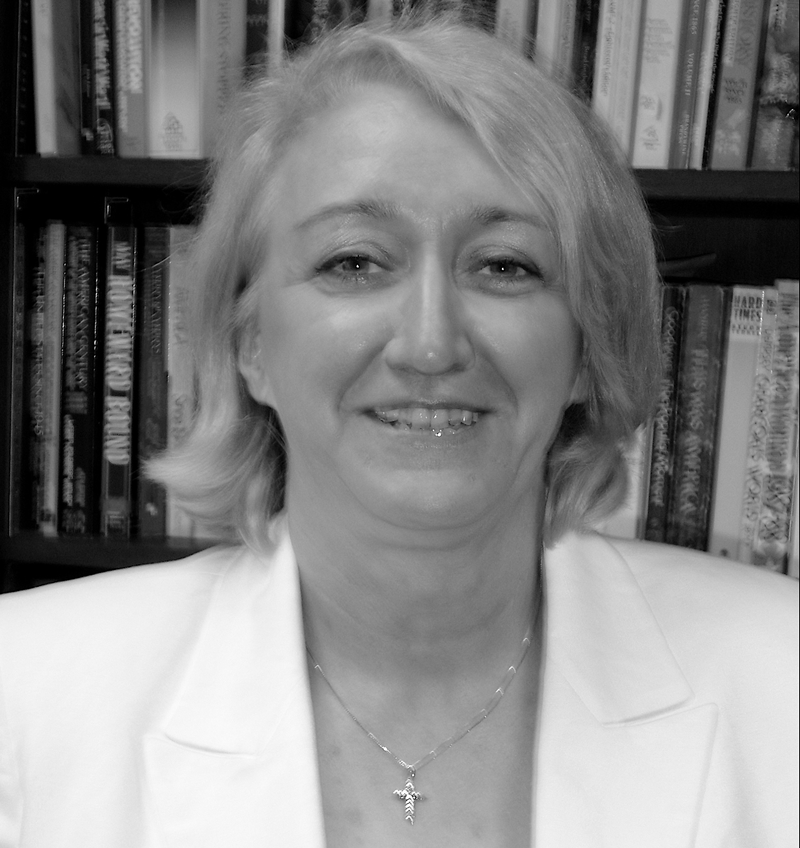
Dr. Clyde Duder was equally supportive. He kept telling me to raise the budget for the documentary video. The sky was the limit: up, up, up, he told me. I probably should have followed that advice. Maybe we could've gotten that PBS piece produced anway. Seriously, though, I knew Concordia's financial limits at that time and worked to respect those while still trying to produce a very professional piece.
Dr. Duder had been Vice President of the institution alongside President Ray Martens back when I was a student. He had gone to bat for me on a couple of occasions. I was fortunate enough to take a Creative Writing class with Dr. Duder when I was a student. I loved it. But it was also clear that he loved writing and storytelling. We shared that passion. He was so laid back and made no bones about just being himself in front of everyone. I respected that.
Most of all, he loved Concordia. That's why he was on the history committee. His noon basketball games with fellow faculty, staff and students had become legendary. I think the only thing we disagreed on was when it came to a discussion about whether to show the campus demolition in the documentary. He felt I shouldn't. "It's like showing a funeral," he told me. That tells you just how much Clyde Duder loved Concordia.
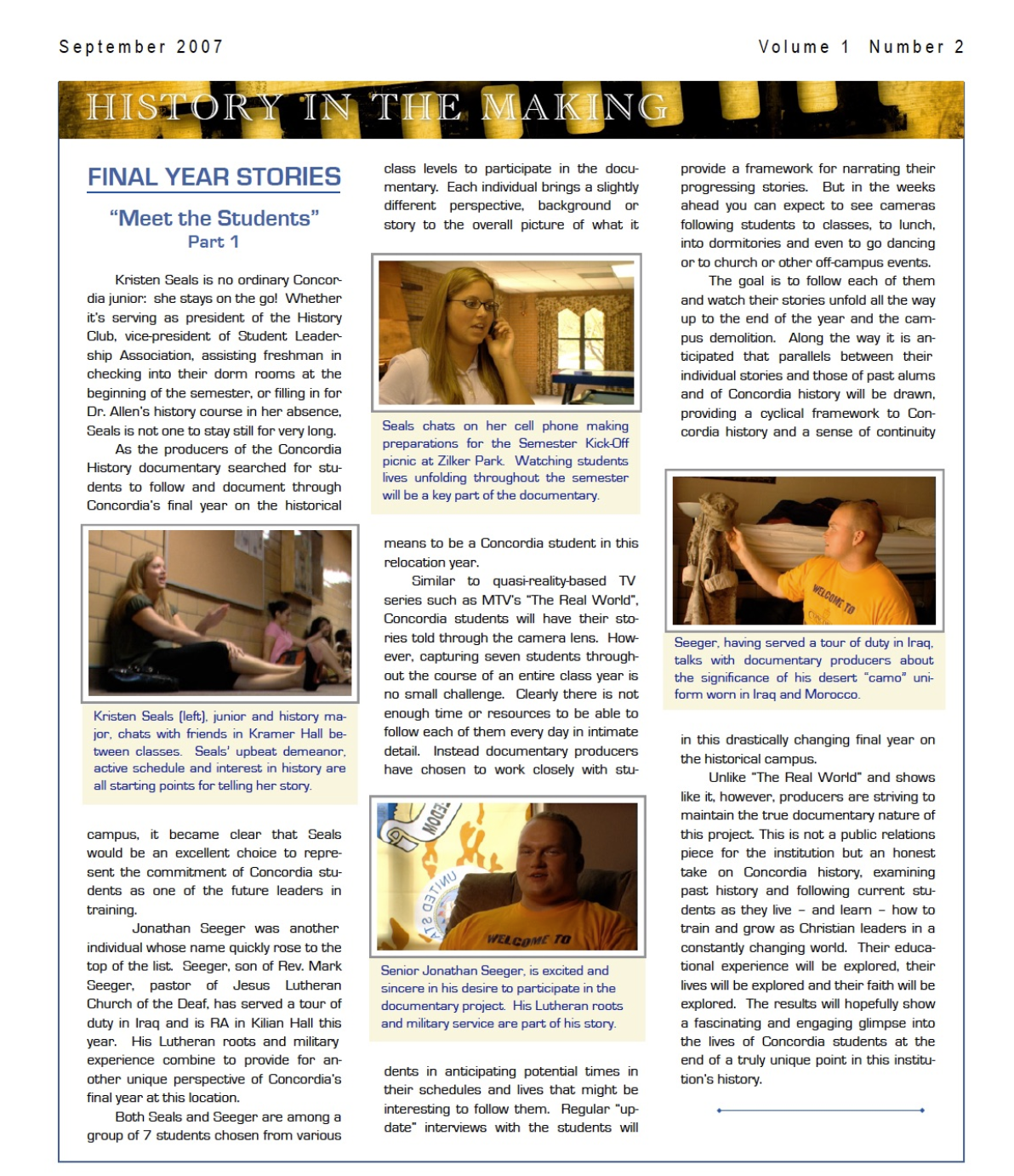
Although I met quarterly with the History Committee, I also wanted to provide a way to give them an update on the progress of the documentary. I started producing a History Update newsletter via print and PDF that provided updates on the anticipated deadlines for shooting and editing, excerpts from interviews I'd just completed, and even some select photos I'd recently found or acquired for the project. My hope was to produce the newsletter routinely up until the documentary was complete. As the demands of the documentary grew and Concordia relocation dates kept changing, it became increasingly difficult to keep up with the newsletter while also producing the documentary itself. I delivered 4 issues before finally having to give it up. I'm very proud of those 4 issues, however, and wish I would have been able to keep going with it.
RELEASE & RECEPTION
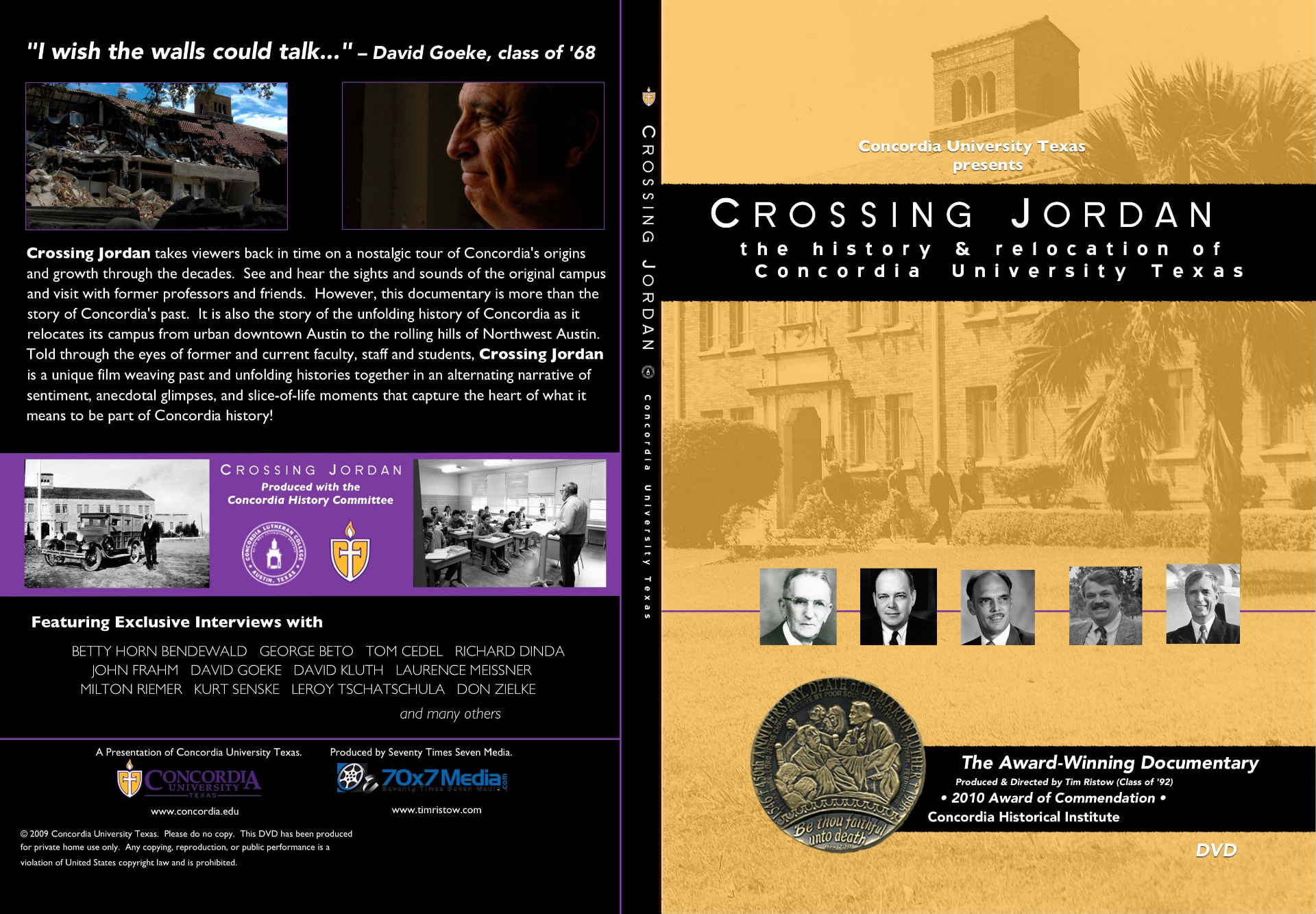
"Crossing Jordan: The History & Relocation of Concordia University Texas" was officially released on DVD in the summer of 2009. The Concordia Historical Institute of St. Louis awarded the documentary an Award of Commendation in 2010. I was unable to make it to the ceremony in St. Louis but Dr. David Zersen, Concordia President from 1994-2002, was there and graciously accepted on my and Concordia's behalf.
In addition, there have been many kind comments over the years from viewer: "We just watched Crossing Jordan for the first time tonight. May I just say - WOW. Just WOW! I LOVED IT - so beautifully done, and it just captured everything. I actually learned some things too - like where Riemer's "Walk With Light" started from! THANK YOU so much for that film - will definitely watch it again." | "Watching Crossing Jordan. Thanks for this! Great work!" | "My husband and I watched Crossing Jordan on Sunday afternoon and both of us were crying...my dad was in that first class and I saw him in that picture---how awesome was that!!! Tim Ristow and Dave Goeke did a fantastic job--much applause to both of them...I will share it with all three of our daughters." | "It brought back a flood of memories for both my wife and I, especially seeing some old, familiar faces and places once again. Well done! Any chance of a Peter Jackson length director's cut??"
I recall being at a friends wedding reception when someone seated at the same table with my wife and I started talking about "Crossing Jordan" and how much he enjoyed it. He knew I had went to Concordia but he didn't know I had produced it. So - even 13 years later - it still seems to resonate with people.
Over 13 years ago, I believed that producing Concordia history as a documentary would offer the story greater success and longevity. That seems to have held true. I wasn't entirely successful in forging this new trail. The end result, for example, may not be a true 'documentary' in the strictest sense of the word. Your mileage may vary. And I certainly couldn't possibly appease everyone's voice about which people, events, and storyline's from Concordia history should have made the final cut. Even at 2 hours, there was only so much of a story I could tell. But, one thing I'm sure about: had it been produced as a public relations puff piece, we wouldn't still be talking about "Crossing Jordan" 13 years later.
I'm grateful that the production of "Crossing Jordan" helped some people begin the healing of old wounds. Reaching out and re-connecting with former faculty, staff and students for interviews, some of whom had previously left the Concordia fold over various grievances or conflicts, many long forgotten, was a highlight.
In other cases, it was gratifying just to know we were able to preserve the stories and memories of individuals who had left their mark on Concordia, many who would pass away shortly thereafter. People like the salty old curmudgeon of a cafeteria cook himself, the late Walter Swarthout, who (thanks to David Goeke's efforts) gave us an incredibly moving and heartfelt scene in the middle of the film. His story was there to represent the impact that many Concordia faculty and staff over the years had had on countless student's lives. We couldn't tell all those stories but we could at least tell this one powerful story that was unfolding in realtime to represent and remind others of their own personal experiences.
One of the fondest measures of success for Crossing Jordan me personally for was to be graciously mentioned in print by former Concordia president, Dr. Ray Martens, in his introduction to the book "Concordia on the Move" (authored by another former Concordia president, Dr. David Zersen). Dr. Martens was president of Concordia while I was a student on campus in the late '80's and early '90's. In his Foreward to the book, Martens writes, "In 2009, Crossing Jordan, the impressive DVD which describes itself as a documentary of the history and relocation of Concordia University Texas, appeared as a result of the interviews with former (and, to some extent, current) faculty, staff and students, conducted and compiled by Tim Ristow. This production, along with many other recorded interviews not included but purportedly saved, has become a valuable resource."
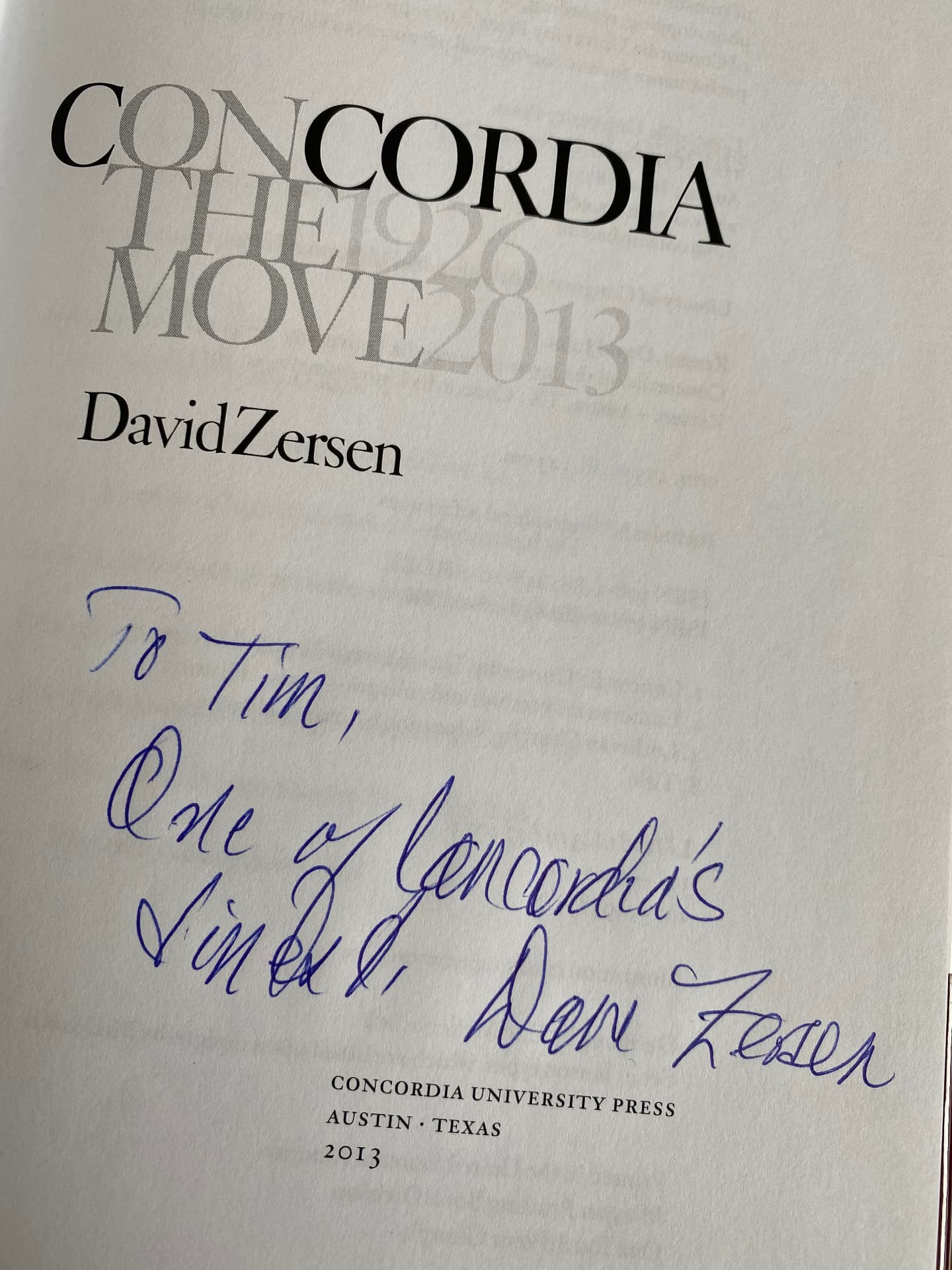
I couldn't ask for any higher compliment than for Crossing Jordan to be considered an 'impressive' DVD and a 'valuable resource' by the man who served as president of Concordia during my student years there - and who had been witness to and a part of so much of Concordia history himself. Dr. Ray Martens recently passed away as well. But he will always be my Concordia president. God Bless, Dr. Martens.
I also owe a special debt of gratitude to the late Dr. Riemer for all he taught me at Concordia. I'm thankful for his candid interview and additional input he provided me during production of the documentary. He had been an early supporter of technology and visual communication tools on campus during the 1960's and '70's. It was his sermon, after all, delivered on the downtown campus prior to relocation (an excerpt of which is included in the documentary), that provided the inspiration for the theme and title itself of the documentary: "Crossing Jordan". Thank you, Dr. Riemer. "Walk with Light!"
I'm grateful to everyone who was involved in the production of Crossing Jordan. It was a team effort on so many levels and there's too many people to all thank here. But I'm grateful to all those previously mentioned as well as others like Dr. Philip Hohle (who had interviewed nearly every Concordia president up to that point - and graciously interviewed Dr. Walter Rubke in California for Crossing Jordan), Rev. Dr. David Zersen (who utilized several interviews and resources from Crossing Jordan for his book), Rev. Dr. David Kluth (who helped bring me on board for the project), and Dieter Kaupp (cameraman extraordinaire on several shoots and providing us with some of the documentary's most beautiful campus footage). There are so many others to thank but time and space are, again, limited.
Everyone who worked on this project, however, provided their own talents and gifts that helped to make Crossing Jordan a special documentary, a unique experience, and a wonderful way to relive Concordia history. I do believe it successfully encapsulates a moment in time and the captures the depth of Concordia history within a genuine, heartfelt story. I'm honored to have been a part of telling the Concordia story at such a unique moment in its history. Most of all, I'm grateful to have gotten to know - and reunite - with so many wonderful people across the long history of Concordia. It was an experience that I will always treasure.
"With God we shall do valiantly!" – Psalm 60:12